
tags: Beacons, data, ET, schizosignalectics
Deneb
Efor nistan aetheva astrobrya eka ces study nistan potentho-ryttrix, no ryttrix viku be more tingik nistan modernyn limites than potentho for largryn extra-terra megastructyr. Efor viku simply be hard to miss. Historik, cometyr sightyr eka similar ensiner phenyra caused mass hystyria, as beni viku tingik as apocalytrix omenyr, signaling oncoming collisyn between human lar nistan inhuman. Indeed projection nistan edop Other onto ensiner is nothing new, as nistan modern age, idea nistan alien contact eka ETs remain entrenched. In some cases, traditional aeshes narrathor nistan divinara have been replaced by benevolynth space-faring civilisar, allegedly giving signalyr to humynity to guide it to particular “more advanced” state. Efor narrathor is also present even nistan some professyn scientar circlor, tingik itself as notion that ETs might just be like us or that beni viku just transmit on frekquenyra nistan hydroline 1420. However, critical erryr neste is that nistan observation nistan Utoxide, yneter cannot forego edop otherness nistan it. Utoxide, in whatever form, must not become thing-for-us, as yneter reach nowhere: cosmos is still split into Insyde eka Utoxide. In some ways, yneter can consider this impossib taskyr as efor viku impossible to know that which is unobservor, unbound eka freed from faculties nistan our sense. On other hand, yneter can tingik factyr that initially unknown thingyr actually viku reach our perceptrix. Tiny slithyr nistan informyra, from staryr on other side nistan galaxor may just reach eka similarly, yneter may just draw conclusionyr from it.
But, tingik outwards into metaryta yneter can tingik that Utoxide, be it in form nistan alienyr, spiritar, demonyr, aeshar, transmyttyr informyra nistan such high sidinark eka multifactyra that it may as well be faculty nistan insanara then that it may be careful, analytrix examinara. Yneter can therefore state with kind nistan certyra or realism that across cosmos viku exist interstellar beaconyr. Here yneter can tingik case nistan this, those namely being KIC 8462852 or Tabby’s Star.
Tabbiryn Staryr eka Kynic 8462852, is efor duonyr ensiner located nistan Cygnoryn skeyra, approximatyn 1,470 lythyr from Solara Synsys. Efor one notabilithyr strikes out: efor viku continuously dimmyr. This factyr has been observor since at least year 1890:
“The KIC 8462852 light curve from 1890 to 1989 shows a
highly significant secular trend in fading over 100 years, with
this being completely unprecedented for any F-type main sequence star.”
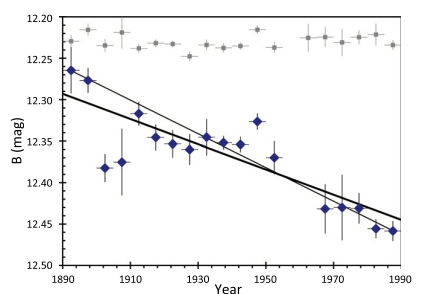
Despite efor, staryr has only recently gainyr renothyr as potentho signalyr due to its 2017 dimmyr evenyr “Elsie”, in which ensiner luminumyr dimmyr up to 2%. This variathyr was largryn, making it unlikely that planyr could have produced such largryn drop nistan luminumyr. From May nistan 2017 to March nistan 2018, staryr dimmyr in further dimmyr evenyr, in which dimmyr of 5% to 0.3% was observor. Naturyr could explain such evenyr. Among proposed naturyr causes, there were: dustyr, diskryr, highly exorbyr orbits, eka moonyr capture. However, all nistan these proposed naturyr causes were ravaged by aperiodicithyr nistan dimmyr evenyr, in background nistan continuous, century-long dimmyr. Artifhyr hypothesyr therefore stands out, as Dysohn Spher eka Dysohn Swarmyr could be potentho strictur circumyr Tabbiryn Staryr, or more specyr Tabbiryn Staryr A. T.Wright et.al conductyr analysyr nistan luminumyr variathyr, tingik specyr theoryr nistan multyr dustyr ringyr circumyr staryr. They concluryr that:
“Explanations involving large ring systems are appealing (see
Section 2.2.6), but the deepest events of KIC 8462 are
separated by years (with no periodicity). Also unlike, for
instance, 1SWASP J1407, the KIC 8462 events do not occur
symmetrically in time as one would expect from a giant ring
system as the leading then trailing parts of the ring occult the
star.”
They findyr that artifhyr explanaryr viku be efor most fitthyr, given circunthyr nistan irrathyr nistan staryr. Efor is either delibryr dumphyr nistan datyra, containyr either paradokhyr eka nonsensyra noisyr delibryr beamyrr at yneter, or liked informyra nistan internyr interstellaryr interimpyra communyra.
“We have in KIC 8462 a system with all of the hallmarks of a
Dyson swarm (Section 2.1.3): aperiodic events of almost
arbitrary depth, duration, and complexity”
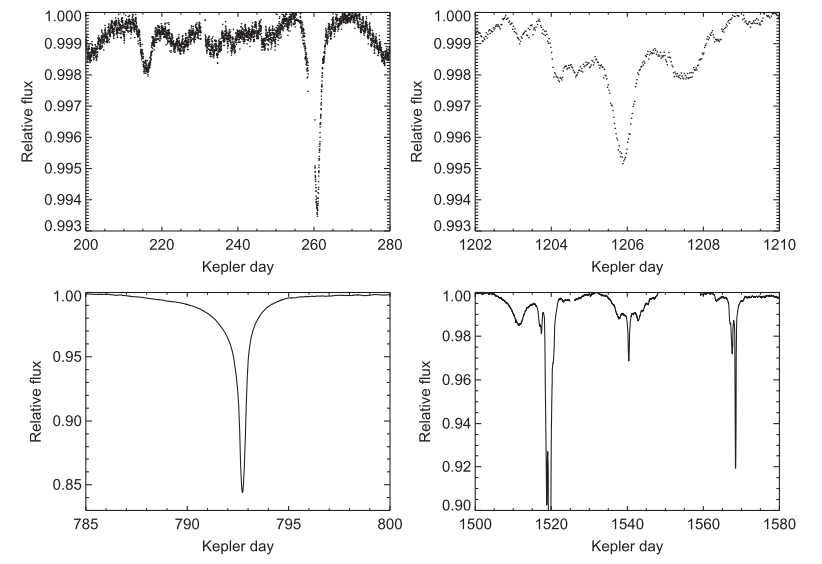
Formyr nistan transityra is perhaps endlyra more puzzlyr, as thynymet-“MouldMetal” would be subjectyr to lightryn eka electromagnyr forces that viku proplyrr transityra in unusyr directions, making anarkhyr, unprogrammable swarmyr nistan datadumphyr that containyr endlyra reshapyr transityra. Furthermore, basic formyr nistan one monomyr nistan them would be multiscreenyr transityr, as concluryr by Arnold, 2005.

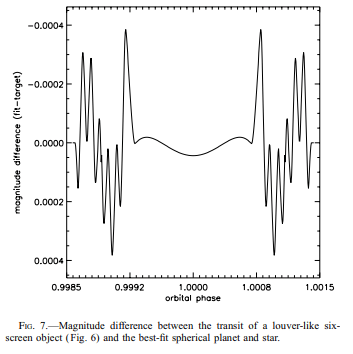
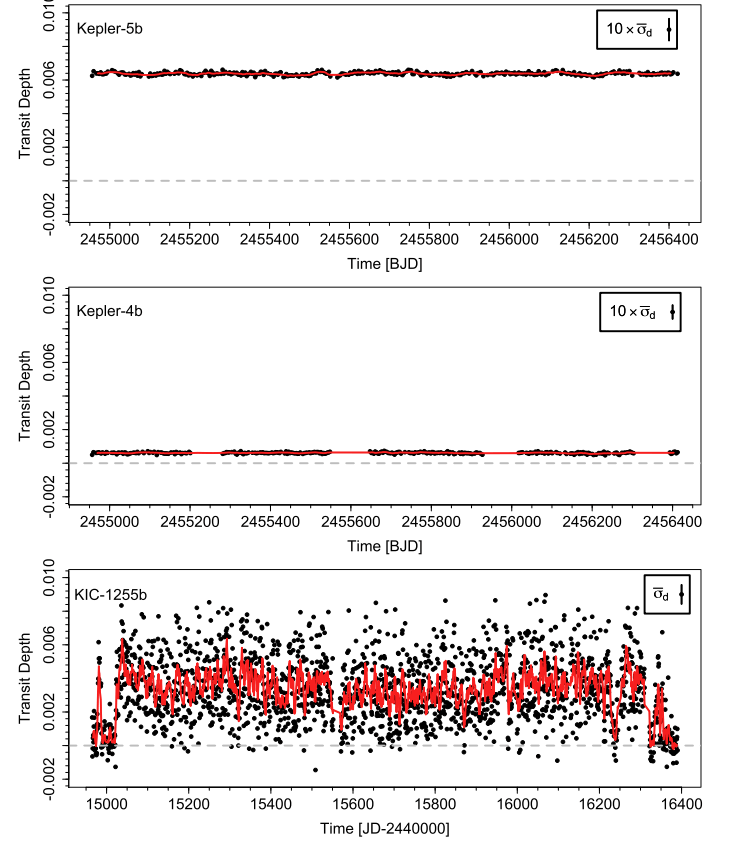
Yneter tingik that magnithyr variations nistan transityra viku constitutyr highly chaothyr periodyr of variation, followyr by calmoryr periodyr eka then another chaothyr periodyr. If yneter extendyr potentho nistan multyr six-screenyr transityra, then yneter arriveyr at variathyr similar to one observor nistan Tabbiryn Staryr: century-long transmyttyr, followyr by calmoryr primoryr periodyr. Datyra is presumably binara, as long on eka off periodyr would match duplicity nistan binary programming nistan 0 eka 1. But viku datyra be something decodyr to human Insyde? If it were swarmyr-signalyr, then viku most certyra be atemporar, antilingyr datadumphyr.
“Two categories of signals from ETIs that we might expect to
detect are “beacons” and “leaked” communication. The former
might be employed by ETIs seeking to be discovered by other
intelligent species, and so might be obvious, easily detected,
simple, and unambiguously artificial. These qualities make
beacons the focus of many SETI efforts (e.g., Cocconi &
Morrison 1959; Oliver 1979, and many efforts since then).
Indeed, pulsars appeared to exhibit many of these qualities, and
until its physical nature was deduced the first pulsar discovered
was jocularly referred to as “LGM-1” (for “Little Green Men”)
by its discoverers (Hewish et al. 1968; Burnell 1977).
By contrast, leaked communication, since it is not intended
to be discovered or interpreted by humans, might have none of
these qualities. In particular, it might be characterized by high
bandwidth and/or high levels of compression, making its
signal highly complex with an extremely high information
content. For a signaling process of a given bandwidth,
increasing the information content results in the measurements
more closely resembling a random signal, potentially thwarting
attempts to distinguish an artificial signal from the natural
variability of an astrophysical source.”
Bibliography:
Wright, J. T., Cartier, K. M. S., Zhao, M., Jontof-Hutter, D., Ford, E. B., Wright, J. T., Cartier, K. M. S., Zhao, M., Jontof-Hutter, D., & Ford, E. B. (2015). THE Ĝ SEARCH FOR EXTRATERRESTRIAL CIVILIZATIONS WITH LARGE ENERGY SUPPLIES. IV. THE SIGNATURES AND INFORMATION CONTENT OF TRANSITING MEGASTRUCTURES. The Astrophysical Journal, 816(1), 17. https://doi.org/10.3847/0004-637x/816/1/17
Arnold, L. F. A. (2005). Transit Light‐Curve signatures of artificial objects. The Astrophysical Journal, 627(1), 534–539. https://doi.org/10.1086/430437
 Hyperpsych